

Patient Information Leaflet
Anti-Wrinkle Injections
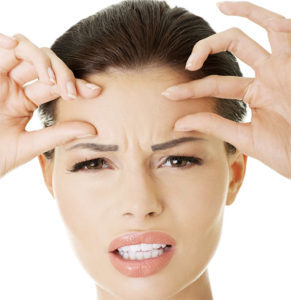
Anti-Wrinkle Injections
If you are considering treatment with botulinum toxin, we encourage you to read this information before attending your consultation. Being informed will help you ask the right questions and feel confident in your choices. You should ensure that your practitioner is appropriately qualified and registered with a recognised professional regulatory body. Your initial consultation must be carried out face-to-face by a prescribing practitioner, who will assess your suitability for treatment and discuss the options available to you.
Many practitioners refer to procedures involving the injection of botulinum toxin as anti-wrinkle injections. Botulinum toxin is administered using a very fine needle directly into specific facial muscles. It works by temporarily blocking the nerve signals to these muscles, reducing their activity. This softening of muscle movement can improve the appearance of lines formed by facial expressions.
It is important to understand that botulinum toxin can only treat dynamic lines — the lines that appear when you move your facial muscles, such as frowning or smiling. Lines that remain visible when the face is at rest, known as static lines, typically do not improve with anti-wrinkle injections. Your practitioner may discuss alternative or complementary treatments if static lines are a concern.
Botulinum toxin is a naturally occurring protein produced by the bacterium Clostridium botulinum. Several licensed brands are available in the UK, including Azzalure©, Alluzience©, Bocouture©, Botox©, Dysport©, Letybo©, Nuceiva©, Relfydess© and Vistabel©. All brands are Prescription Only Medicines (POMs) and can only be prescribed by a doctor, dentist, nurse, midwife, or pharmacist with an appropriate prescribing qualification for their country of practice.
If you are considering treatment, you must have a face-to-face consultation with a qualified prescriber who will assess your suitability for botulinum toxin. The treatment itself may then be performed by a non-prescribing practitioner, provided this is in line with the prescriber’s assessment and you give your consent.
When booking an appointment, check that your consultation will be with a prescriber.
As well as being used to treat facial expression lines, botulinum toxin is also licensed for the treatment of focal spasticity, chronic migraine, bladder disorders, excessive sweating, and other indications.
Botulinum toxin has been licensed for the temporary improvement of moderate to severe lateral canthal lines (crow’s feet at the outer corners of the eyes), glabellar lines (frown lines between the eyebrows) and horizontal forehead lines. There are other areas which are less commonly treated with botulinum toxin. Although this is ‘off label’ meaning they are not specifically licensed for this treatment, these are well established and have evidence to support their use.
- Glabellar lines (frown lines)
- Lateral canthal lines (crow’s feet)
- Horizontal forehead lines
- Gummy smiles
- Bunny lines (lines on the side of the nose)
- Smoker’s lines (horizontal lines above the mouth)
- Lip flip (eversion of the upper lip)
- Nasalis reduction (reducing nostril flare)
- Under-eye area (very light softening of creases)
- Jelly roll under the eye
- Downturned corners of the mouth
- Droopy nasal tip
- Platysmal bands (turkey neck)
- Jawline (Nefertiti Lift)
- Slimming of jaw muscles
- Chin dimpling
- Brow lifting (subtle elevation of the eyebrows)
- Hyperhidrosis (Excessive Sweating)
Facial expressions occur when the brain sends signals through the nerves to the facial muscles, causing them to contract in response to voluntary movement (such as smiling), emotional expression or automatic. Over time, repeated muscle activity can create lines in the overlying skin.
Botulinum toxin works by temporarily blocking the chemical signal that allows the nerve to activate the muscle. When this signal is interrupted, the treated muscle relaxes and is unable to contract fully. As a result, lines caused by repetitive facial movement become less visible, giving the skin a smoother appearance.
A completely motionless or “frozen” result is neither always possible nor usually desirable. Most patients prefer a natural look that allows for some expression. It is important to discuss your expectations and preferred treatment outcome with your practitioner during your consultation.
The effects of botulinum toxin develop gradually. Most patients begin to notice a change after approximately 4 days, with the maximum result typically achieved by around day 10. A review appointment is often offered at 2 weeks to assess the outcome and, if required, additional botulinum toxin may be administered at this stage.
The effects are temporary and over the next 3 to 4 months, the nerve endings regenerate, and movement begins to return. Treatment can be repeated to maintain the results, although it is not advisable to repeat injections at intervals of less than 3 months. Lines that are present when the face is at rest (static lines) may soften once the underlying muscle relaxes. With ongoing treatment, these lines may continue to improve as the skin is no longer being repeatedly creased.
There are no known long-term adverse effects associated with repeated aesthetic use of botulinum toxin, although some degree of muscle thinning (atrophy) may develop over time.
Most patients experience only minimal discomfort during treatment. Botulinum toxin is injected using a very fine needle, and the injections are typically quick and precise. Many people describe the sensation as a tiny pinch or sting, which usually only lasts a few seconds.
Some areas of the face may be slightly more sensitive than others, but most patients find the procedure well tolerated. Your practitioner may apply a cooling gel or ice to help reduce any discomfort during treatment and infrequently a topical anaesthetic cream.
It is important to relax the treated muscles during the procedure, as this can make the injections more comfortable and improve the results.
Botulinum toxin is a well-studied and widely used treatment for reducing the appearance of facial lines. When administered by a qualified and trained practitioner, it is considered safe and effective for cosmetic use. However, as with any medical aesthetic procedure, there are certain risks and side-effects which should be discussed with you during your initial consultation.
Side-effects may be more likely due to the following factors:
- Patient factors: Poor condition of the skin, loss of elasticity, heaviness of the forehead, certain autoimmune or chronic medical conditions.
- Practitioner factors: Training, years of experience, number of procedures performed.
- Premises factors: Suitability of the premises, infection control, all medications are obtained and stored in line with professional standards and guidance to ensure safety and effectiveness.
We do not recommend that treatments are performed in a home environment.
Generally, side-effects are uncommon, often mild, and usually resolve within a few days of treatment, although drooping of the eyebrow or eyelid (ptosis), may take several weeks to recover.
Possible side-effects include:
- Injection site pain
- Bleeding and/or bruising at the injection sites
- Redness, itching, irritation at the injection site
- Temporary small bumps at injection sites
- Swelling, including under eye puffiness
- Headache, which may last several days
- Nausea and/or hot flushes
- Poor cosmetic results
- Uneven effect on one side
- Drooping or heaviness of the brow or eyelid
- Abnormal appearance of the brows (Mephisto or Spock brow)
- Weakening of surrounding muscles
- Blepharitis (inflammation of the eye lids)
- Eye pain or visual disturbance
- Paraesthesia (abnormal sensation)
- Muscle twitching
- Flu-like symptoms
- Anxiety symptoms
- Rarely, muscle or joint pains
If you develop any unexpected side-effect after treatment, it is important to contact your practitioner as soon as possible, who may be able to offer advice or corrective treatment.
Before any treatment, you will have a face-to-face consultation with a qualified prescribing practitioner. During this appointment, the practitioner will assess your medical history, medications, and allergies and examine your facial structure and muscle activity. They should discuss your goals, expectations, and desired outcomes and explain which areas can be treated and whether any off-label treatments are appropriate. You should be advised on possible risks and side-effects specific to your treatment and costs involved. Make sure they answer all your questions so you can make an informed decision whether to go ahead with treatment or not. You may have an initial consultation and then rebook treatment for a later date, giving you the opportunity to have a cooling off period to consider all the information provided.
Do not feel pressurised or coerced into having treatment at the same time as your consultation.
Before treatment, you should be given the opportunity to have any further questions answered and sign a consent form, either printed or electronically produced. The practitioner will examine the treatment area to determine the most appropriate injection sites and dosage required for optimum results.
Treatment usually takes about 10-15 minutes to perform, and you can resume your normal activities afterwards. Photographs should be taken prior to having the procedure to compare with the outcome at a follow up appointment. Any photographs taken will form part of your medical record and should not be used for any other purpose without your explicit permission.
Botulinum toxin injections are usually undertaken with you lying on a treatment couch. Firstly, the treatment area will be cleaned and disinfected. The practitioner will examine the muscles, and you may be asked to make facial expressions and contract the muscle being examined to allow precise dosing and placement. Botulinum toxin is then injected into the target muscles using a very fine needle and most people only experience a mild pinch or sting. Some practitioners may prefer to mark out the treatment areas prior to injection. You can expect between 3 – 6 injections per treatment area. Immediately afterwards, you may have small, raised bumps on the skin where the botulinum toxin has been injected, but these should resolve within less than an hour.
If you have never had botulinum toxin treatments before, it is generally recommended to have just one area treated initially.
Botulinum toxin is suitable for most healthy adults who wish to reduce the appearance of lines caused by facial expressions. You may be a good candidate if:
- You are in general good health
- You have realistic expectations about what the treatment can achieve
- You are looking to soften dynamic lines such as frown lines, forehead lines, or crow’s feet
Treatment results are often more successful when the skin is in a good condition, with good elasticity, where facial expressions are not excessive and there are no or only minimal static lines in the area to be treated.
You may not be suitable for treatment if any of the following apply:
- Botulinum toxin is generally only recommended to those aged between 25 to 65, although it may be used off-license for people outside this age range.
- Botulinum toxin cannot be given to pregnant or breast-feeding women and is not recommended if you are actively trying to get pregnant.
- Patients with certain neurological disorders (such as myasthenia gravis).
- If you are currently taking certain medicines (including antibiotics, such as clindamycin).
- If you have previously experienced adverse reactions to any botulinum toxin treatment.
- If you are suffering from any skin inflammation or infection in or near the treatment area, including cold sores.
- If you are unwell, including coughs and colds, on the day of treatment.
- If you are taking any medicines which affect bleeding, such as aspirin or warfarin.
- If you have unrealistic expectations or wish to completely freeze all facial movements.
It is important to be honest about your medical history, previous surgery, previous or planned dental treatment and any medication taken, so that you can have a safe and effective treatment.
- Avoid taking anti-inflammatories (such as aspirin, ibuprofen, naproxen) for 3 days prior to treatment (unless this has been prescribed by your doctor) as this increases the risk of bruising.
- Alcohol, fish oils, St. John’s Wort, Gingko Biloba, garlic and Vitamin E should also be avoided for 3 days prior to treatment to lessen the risk of bruising.
- If you are prone to bruising, taking arnica orally for a few days prior to treatment may lessen the risk.
- If you are unwell on the day of your appointment, contact the practitioner to reschedule.
- Ensure your practitioner is informed if there are any changes in your medical history or medication taken before receiving any treatment.
- Read the list above to ensure that you do not have any condition or circumstance which may preclude you from treatment.
- Do not plan to have treatment within 2 weeks of an important social event or holiday as this may not allow enough time for side-effects, such as bruising to settle, or to have a review appointment.
After your botulinum toxin treatment, most people can resume their normal daily activities. Immediately after treatment, there may be some redness, minor swelling at the injection sites and pin-prick marks, which should settle in time. If you develop any bruising, which may be apparent at the time of treatment or may even develop over the following days, it is usually minor and can be covered with make-up. Occasionally, more significant bruising can occur. Rarely, you may develop a headache after treatment which can last a few days. Simple analgesia can be taken for this if needed.
The following guidelines will help ensure that you achieve the best results and reduce the risk of side effects:
- Do not apply make-up for 12 hours after treatment to reduce the risk of infection.
- Try to avoid touching or rubbing the treated area until the following day as you may affect the results of treatment.
- Avoid strenuous exercise and excessive facial sweating for the first 24 hours.
- Avoid extremes of hot or cold on the day of treatment.
- Do not have facial treatments or massage for at least 24 hours or as instructed by your practitioner.
- Contact your practitioner if you experience any unwanted side-effects, such as severe pain, drooping of the eyelid or eyebrows or prolonged swelling, redness or bruising.
- Ensure that you attend any follow up appointment made for you.
By following these guidelines, you can maximise the effectiveness of your treatment and minimise potential side effects, helping you achieve a natural, refreshed appearance.
Ensure you know the following information:
- Practitioner’s full name
- Practitioner’s profession (doctor, dentist, nurse, midwife, or pharmacist)
- Practitioner’s contact details (address, telephone number, and email)
- An emergency contact number if a complication arises.
Practitioners should be registered with their professional body (General Medical Council, General Dental Council, Nursing and Midwifery Council or General Pharmaceutical Council) and you can check their current registration status. Practitioners are accountable to these bodies and legally required to have indemnity insurance in place for all the treatments they perform.
If you are not happy with your treatment outcome, you should attempt to resolve this with your treating practitioner in the first instance. If you need to see a different practitioner, you are entitled to receive a copy of your treatment record outlining the product used, areas injected and dosage, as well as any photographs that were taken, to have your concerns addressed safely. However, remedial treatment may not always be possible. Sometimes it may be necessary to allow time for the treatment to wear off.
The ACE Group World patient leaflets have been produced to give you some ideas of what the treatment involves, possible side effects, what you should expect and what you should ask.
Patient Leaflets
Purchase Patient Information Leaflets to use in your own practice.